


777pob | The Enchanting World of Role-Playing Games
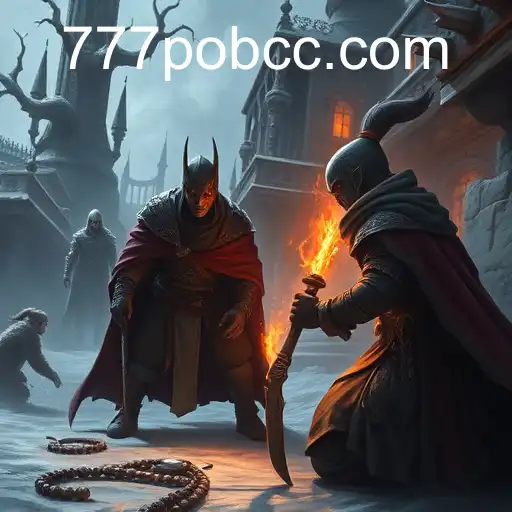
Role-Playing Games (RPGs) have captured the imaginations of players worldwide with their immersive storytelling, complex character development, and expansive worlds. These games offer a unique blend of adventure, strategy, and interaction that appeals to a diverse audience. A standout feature of RPGs is their emphasis on player choice, which influences the storyline and outcome, allowing each adventure to feel personal and unique. The allure of RPGs lies in the ability to inhabit a character fully, participate in epic quests, and engage in tactical combat often set within richly detailed fantasy or science fiction worlds.
From legendary titles such as "The Elder Scrolls V: Skyrim" and "The Witcher 3: Wild Hunt" to more niche offerings like "Divinity: Original Sin II" and "Persona 5," RPGs cater to a wide range of interests. Each game presents a meticulously crafted universe filled with lore and history, inviting players to become heroes, villains, or something in between. Key to these experiences is character progression, where players develop skills, acquire new equipment, and make impactful decisions contributing to their unique story arc.
Moreover, the multiplayer aspect of RPGs introduces collaborative gameplay, where players can join forces to conquer challenging quests and explore vast lands. The rise of MMORPGs, such as "World of Warcraft" and "Final Fantasy XIV," exemplifies the evolving landscape of role-playing games, where social interaction and cooperative play enhance the experience.
As the RPG genre continues to evolve, developers push the boundaries of storytelling and technology, exploring new mechanics and narratives that challenge and engage players. Whether through traditional mechanics or innovative approaches, RPGs remain a testament to the enduring allure of immersive and interactive storytelling within the video game industry.
